Clogged Drain or Sewer Line?
Emergency Plumber Chandler explains how to tell a single blocked fixture from a main sewer line problem in a Chandler home, why the difference matters and what to avoid doing in the meantime.
- 24/7 Emergency Service
- Upfront Quotes
- Same-Day Availability
By the Emergency Plumber Chandler team · Updated September 2026
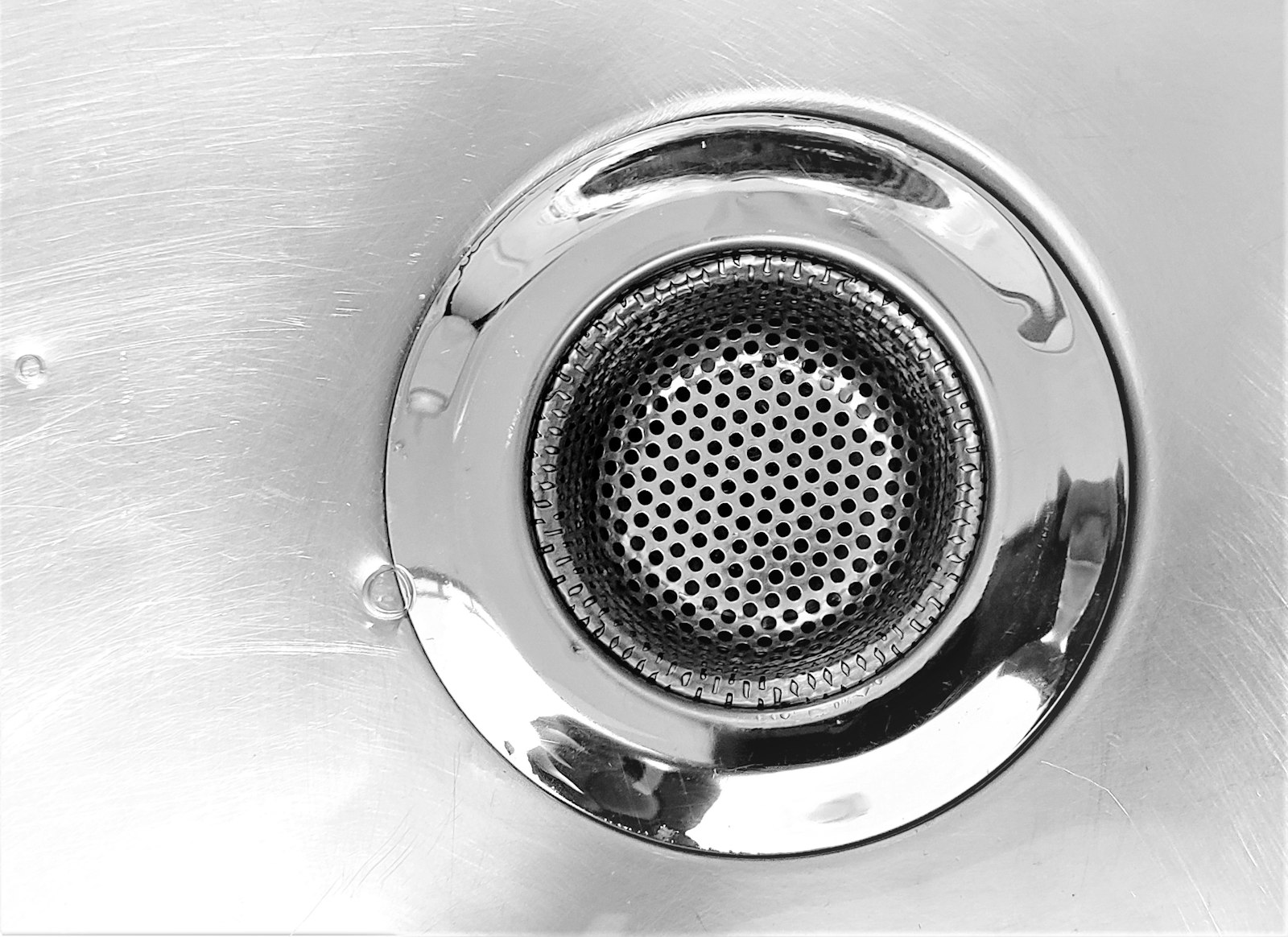
One Fixture or the Whole House
This is the question that decides everything else. If one sink drains slowly and every other fixture behaves normally, the blockage is almost certainly in that fixture branch: the trap, the tailpiece or the short run of pipe behind the wall. If several fixtures act up together, the problem has moved past the branches and into the main line that carries everything out of the house.
The test is simple. Run water in a sink, then watch and listen elsewhere. If flushing a toilet makes a nearby tub gurgle, or running the washer pushes water up into a shower, the main line is struggling. Those fixtures are connected downstream, and air is being forced back through the traps.
Signs of a Branch Clog
A branch clog builds gradually and affects one place. A kitchen sink that drains slower every week is collecting grease and food debris in the trap and the run behind it. A tub that empties sluggishly is hair and soap. A bathroom sink that gurgles on its own may simply need the trap cleaned out.
Hard water makes all of this worse. Soap reacts with the minerals in Valley water and leaves a film inside the pipe that catches everything else passing through. That is why drains here can narrow noticeably over a few years without anything unusual going down them.
Signs of a Main Line Problem
Main line trouble announces itself differently. Toilets bubble when you run a sink. The lowest fixtures in the house, usually a ground-floor shower or tub, back up first. Water rises in one place when you drain another. There may be a sewer smell around a cleanout in the yard, or an unusually green patch of ground along the line.
If the main line is fully blocked, stop using water in the house. Every gallon that goes down a drain has to go somewhere, and with the line blocked it comes back up through the lowest opening indoors.
What Causes Main Line Blockages Here
In the older parts of the east Valley, including the streets near downtown Chandler and much of central Mesa, sewer lines can still be clay or cast iron. Those materials develop cracked joints and rough interiors, and desert trees do the rest. Mesquite, palo verde, ficus and citrus roots follow the moisture, find the crack and keep growing until the line is packed.
Newer subdivisions are on plastic line, where roots are much less of a problem. There the usual causes are low spots where the line settled, and things that should never have gone down a drain in the first place: wipes marketed as flushable, grease poured while hot, and cat litter among them.
What to Avoid Doing
Skip the chemical drain cleaner, particularly on a line that is fully blocked. It sits in the standing water instead of clearing anything, and it makes the line hazardous for whoever has to work on it next. On older metal pipe it can make a bad situation worse.
Do not keep running water to see whether it clears. If the main is blocked, that water comes back inside. And if a backup contains sewage, treat it as a health matter: keep children and pets away, wear gloves if you have to move anything, and do not run fans that blow that air through the rest of the house.
What a Visit Looks Like
For a branch clog, the fixture is cleared and the trap and run are checked. It is usually quick, and the useful part of the visit is hearing what came out, because that tells you whether it will come back.
For a main line, the first job is getting flow back so the house is usable. After that, a camera inspection is worth doing if the line has blocked before. It shows the pipe material, where roots or a break sit and how far along the run they are, which is what separates a small spot repair near the house from a longer dig under a driveway.
Drain Problems Across the Chandler Area
Housing age is the best predictor of which kind of problem you will have. Older neighborhoods have the clay and cast-iron lines and the mature trees to go with them, while the newer growth areas out toward Queen Creek and beyond are on plastic line with different habits behind their blockages.
Monsoon storms between July and September can add to it, with heavy runoff finding its way into older systems and backups turning up in the days afterward. If a drain misbehaves during that stretch, it is worth checking rather than dismissing.
Arrange an Inspection
If one fixture is slow, drain cleaning is usually all it takes. If several are, start with sewer line repair so the main line can be cleared and then inspected properly.
A toilet that runs or fills slowly is a separate, smaller job covered under toilet and faucet repair. When you are ready, request a visit and say exactly which fixtures are affected and what happens when you run water.