Isolating the source
The house valve, the irrigation zones and the pool fill are separated one at a time, so the loss can be pinned to a system instead of a hunch.
Water can travel a long way before it shows. Emergency Plumber Chandler narrows down where a hidden leak is coming from, whether that is a supply line, the pool fill, irrigation or a fixture, before anything is opened up.
Around here the leak is often not inside the house at all. Pool auto-fill valves, drip irrigation, a weeping hose bib and an irrigation backflow device all show up as a high summer bill, and a landscape leak soaks into gravel without ever looking wet. The meter test comes first: close every fixture, then watch the low-flow indicator. If it keeps moving, water is going somewhere.
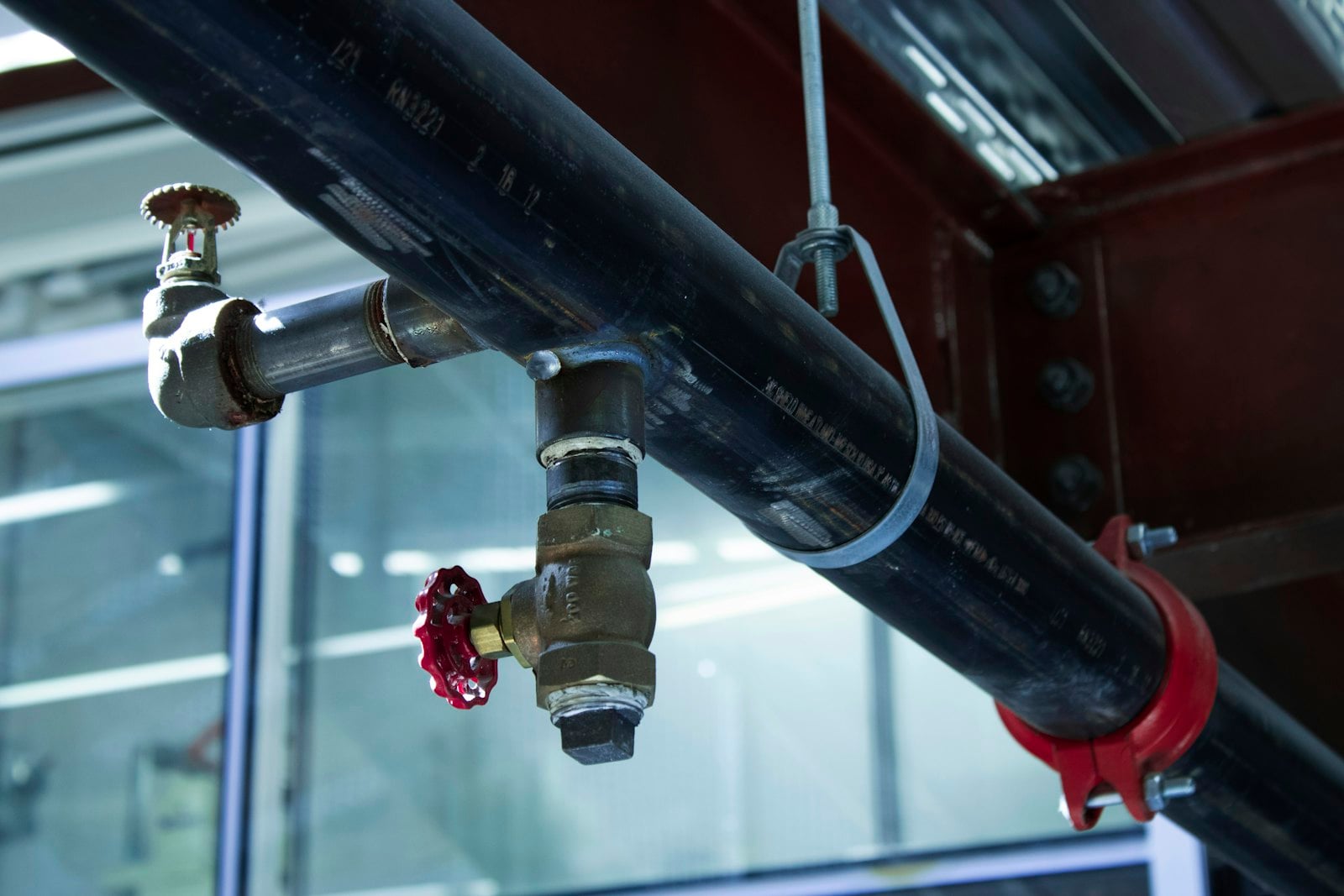
The point of a detection visit is to stop guessing. Emergency Plumber Chandler works from the meter inward and explains what each test rules out along the way.
The house valve, the irrigation zones and the pool fill are separated one at a time, so the loss can be pinned to a system instead of a hunch.
Listening equipment, pressure testing and moisture readings narrow the area before anything is cut. Opening a wall should be the last step, not the first.
Once the source is known you get the options, whether that is a fitting, a section of line or a reroute, with what each one means at your property.
Ask for the meter reading before and after, which systems were isolated and how confident the plumber is about the exact spot. A useful report tells you what was ruled out as well as what was found.
If the water is under the floor, read slab leak repair and the warning signs guide. If it turns out to be a running toilet or a weeping angle stop, that is a straightforward fixture repair.
An aging water heater is one of the most common finds on these visits. Compare repair and replacement before deciding, or tell us what you have noticed.
How much has to be isolated and tested, whether the leak is inside, under the slab or out in the landscape, and how accessible the line is. Emergency Plumber Chandler quotes the detection work and the repair separately, so you approve each step.
Into the ground, under the slab or straight down a drain. Pool auto-fill valves and irrigation lines are the usual suspects in summer, and a toilet flapper leaking silently into the bowl wastes a surprising amount without a sound.
You can do the meter test. Turn off everything that uses water, including the ice maker and the pool fill, then watch the meter low-flow indicator. If it moves, call. Do not dig or cut into a line to go looking for it.
Wet drywall and cabinet bases can grow mold even in dry desert air, because the material itself stays damp. That is one good reason to find a slow leak early. See burst pipe repair for what happens when a small leak becomes a large one.
Tell us what the water is doing so the right visit can be planned.