Clearing the line properly
The right tool depends on the drain. A tub or sink branch is not handled the same way as a main line with roots or heavy scale in it.
A kitchen sink that empties slowly and a tub that gurgles are two different problems. An independent plumber can clear the blockage, look for the reason it formed and tell you what shape the line is in.
One slow fixture usually means a local clog: kitchen grease, hair in a tub trap, or the soap and scale buildup that comes with the hard water the Valley draws from the Colorado River and local groundwater. When several fixtures act up together, the problem has moved past the fixture and into the main line, and the whole approach changes.
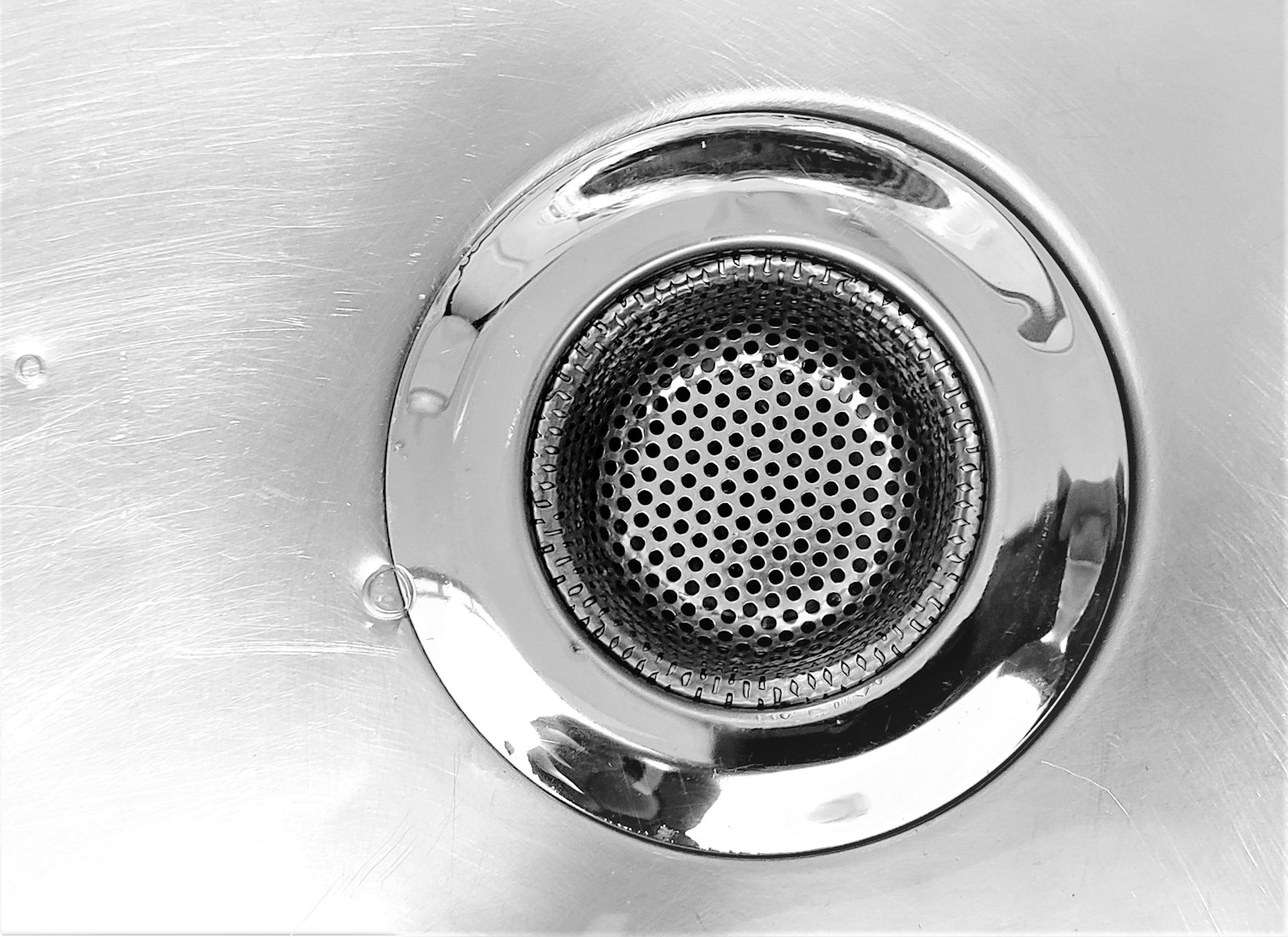
Clearing the blockage is the start of the job, not all of it. Ask the plumber to explain what came out of the line and what that means for the next few months.
The right tool depends on the drain. A tub or sink branch is not handled the same way as a main line with roots or heavy scale in it.
A clog that returns within weeks is telling you something: a low spot, a partial break, roots or a venting problem. That is worth knowing before you pay to clear it twice.
For a repeat main-line backup, a camera inspection shows the pipe material and its condition instead of leaving everyone to guess.
Ask what was pulled out of the line, whether the blockage sat near the fixture or far down the run, and what the plumber felt at the end of the cable. Those three answers tell you whether this was routine or a sign of something larger.
If more than one drain is affected, read sewer line repair and our guide to telling a clogged drain from a sewer line problem. A toilet that fills slowly is more often a fixture repair. When only the kitchen side is slow and the unit under the sink hums or drips, that is garbage disposal repair rather than a clogged line.
Not sure what you are dealing with? See how a visit works or call the number and describe what the drains are doing.
Access, which line it is and what is inside it. A tub trap is a different job from a main line packed with roots. Ask the provider to look at the setup and quote the work before starting, so there is no surprise if the blockage turns out to be further down.
It usually buys a little time and it can make the next visit harder, because the liquid sits in the trap where someone has to work. Hot water and a plunger are safer first steps, and chemicals should stay out of a line that is fully blocked.
There is no fixed schedule. Kitchen lines in busy households and older lines with scale build up faster. If a drain has backed up twice in a year, the line itself is worth inspecting rather than simply cleared again.
Yes. Mesquite, palo verde, ficus and citrus roots follow moisture and find cracked joints in older clay and cast-iron lines, which are still in the ground across the older parts of the east Valley. See sewer line repair.
Call and describe what the water is doing and your property ZIP.