How to Flush a Water Heater in Chandler, AZ
Here is how to flush a water heater in a Chandler home: turn off the power or set the gas to pilot, close the cold supply, let the water cool, drain the tank through a garden hose, flush until it runs clear, then refill fully before restoring heat. If anything leaks or smells like gas, stop and call.
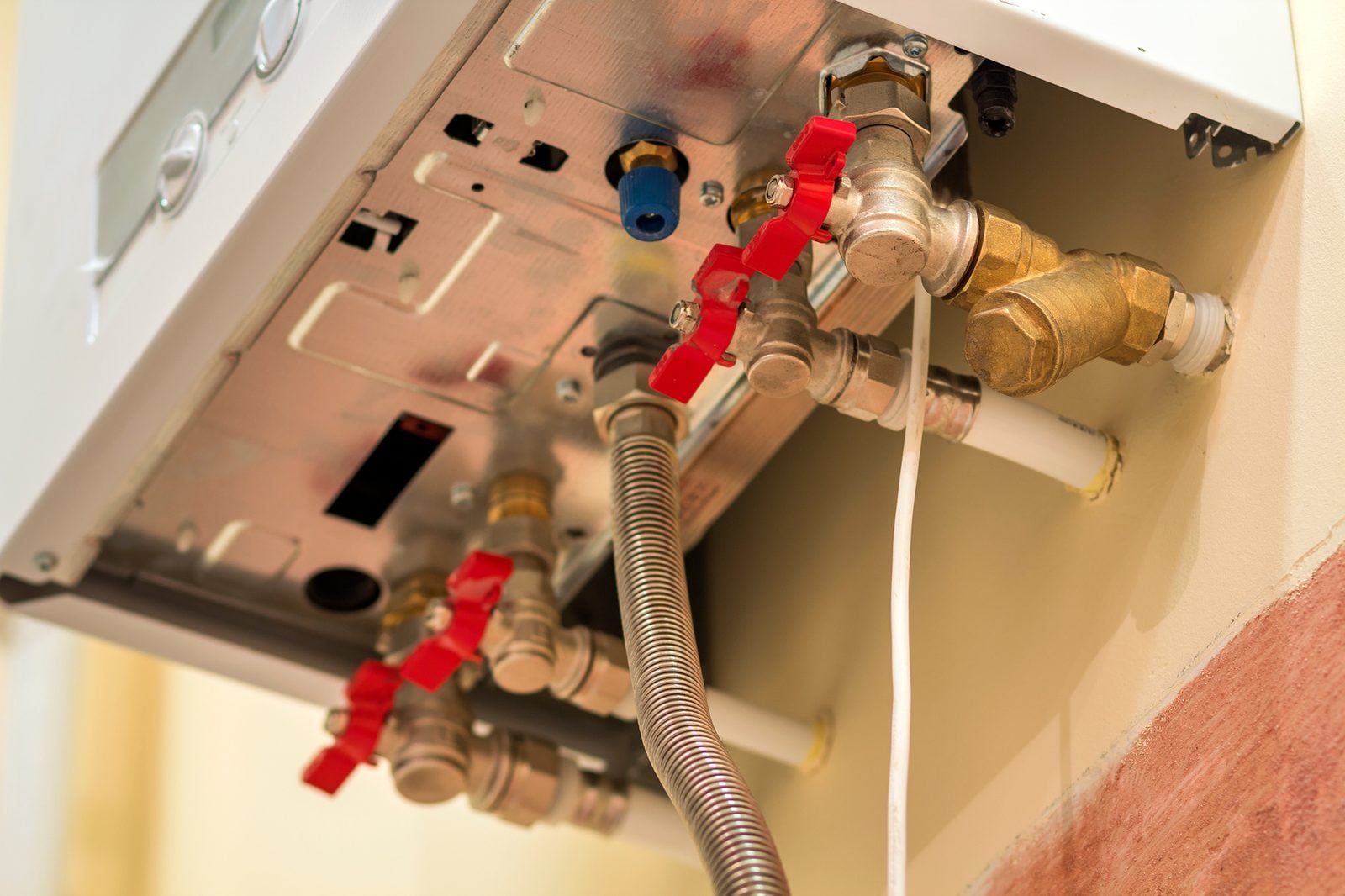
- Flushing drains the mineral sediment that settles in the bottom of a tank water heater, which is common with hard water.
- Chandler's 2025 water report lists hardness of 10.1 to 16.8 grains per gallon, so scale and sediment build up faster than in soft-water areas.
- Electric heaters must be turned off at the breaker before draining, and gas heaters set to pilot or vacation, so nothing heats an empty tank.
- Water in the tank can be hot enough to scald, so let it cool, wear gloves and keep the hose end away from people, pets and plants.
- Refill the tank fully and run a hot faucet until the air is out before you restore power or gas.
What does flushing a water heater actually do?
Flushing a water heater drains the sediment that settles at the bottom of the tank. In Chandler, most of that sediment is calcium and magnesium from hard water. Over time it forms a gritty layer between the burner or heating element and the water, which can cause rumbling noises, slower heating and less hot water.
A flush is routine maintenance, not a repair. It will not fix a leaking tank or a failed gas valve, but it helps a healthy heater keep working the way it should. Signs a tank is overdue:
- Popping or rumbling sounds while the heater runs.
- Hot water that runs out sooner than it used to.
- Sandy water or white flakes in faucet aerators.
- A drain valve that has never been opened.
What is different when you flush a gas vs. electric water heater?
The flushing steps are nearly the same for gas and electric water heaters. The difference is how you shut off the heat: an electric heater is turned off at the circuit breaker, and a gas heater is set to pilot or vacation at the gas control. Either way, nothing should try to heat an empty tank.
Electric: switch off the breaker for the water heater, not just the thermostat. If the panel is not labeled, do not guess. An element that turns on with no water around it can burn out in moments, which is called dry firing. Never open the access panels or touch wiring while the heater has power.
Gas: turn the gas control knob to pilot or vacation so the main burner will not light. Do not tamper with the burner door or flue, and never use a flame to check for leaks. If you smell rotten eggs or hear hissing near the gas line, leave the house and call your gas utility from outside.
Hybrid or heat pump models: follow the owner's manual, since many have their own shut-down and drain steps.
How do you avoid getting burned when you drain a water heater?
The easiest way to avoid scald burns when you drain a water heater is to let the water cool first and keep your skin away from the drain valve and hose. Water in a working tank is hot enough to burn, and the first water out is often the hottest.
- Let it cool. Wait a few hours after shutting off the heat, or overnight if you can.
- Use a sound hose. Screw it on snug and make it long enough to reach a safe drain point.
- Choose where the water goes. A floor drain, driveway or gutter works. Never drain hot water onto plants or a walkway.
- Protect yourself. Wear gloves and closed-toe shoes, and open the valve slowly so you can close it fast if the hose pops off.
- Keep children and pets away until the job is done.
Afterward, check your thermostat. Water departments in Scottsdale and Tucson both suggest 120-125 degrees, which also lowers scald risk at the tap.
Need help now? Call to be connected with a local provider in Chandler who can check availability for your address.
How to flush a water heater step by step
To flush a tank water heater, shut off the heat, close the cold supply, open a hot faucet, drain through a hose, flush with cold water until it runs clear, then refill. Most of the time is spent waiting.
- Turn off the heat: breaker off for electric, pilot or vacation for gas.
- Close the cold water supply valve on the pipe into the top of the heater.
- Open a hot water faucet nearby so air can enter and the tank drains smoothly.
- Attach a garden hose to the drain valve and run it to a floor drain, driveway or gutter.
- Open the drain valve slowly and let the tank drain. Expect cloudy, gritty water at first.
- Flush with fresh water. Open the cold supply in short bursts to stir up sediment, then let it drain. Repeat until the water runs clear.
- Close the drain valve, remove the hose and check for drips.
If the water slows to a trickle while the tank is still full, sediment may be clogging the valve. If a few bursts of cold water do not clear it, close everything, leave the heat off and call rather than taking the valve apart.
How do you refill and restart a water heater after flushing?
To restart a water heater after flushing, refill the tank completely before turning on any power or gas. Open the cold supply with a hot faucet still open, and wait until that faucet runs in a steady stream with no sputtering air.
- Close the faucet, then check the drain valve and top connections for drips.
- Electric: switch the breaker on only after the tank is full.
- Gas: turn the control from pilot back to its normal setting. If the pilot went out, follow the lighting label on the tank, or call if it will not stay lit.
Some sputtering at other faucets is normal while the last air clears.
How often should you flush a water heater, and does tankless need it too?
Many manufacturers suggest flushing a tank water heater at least once a year, and hard water like Chandler's makes that schedule worth keeping. Your owner's manual is the final word for your model.
Tankless water heaters are usually descaled by pumping a cleaning solution through service valves, and many have an inlet screen to clean. Because it involves a pump and work near gas or electrical parts, many owners have a provider do it.
A yearly checklist for a tank heater:
- Flush the tank and note the color of the first water out.
- Look for rust, drips or white crust at the base and fittings.
- Keep the area around a gas heater clear of boxes and cleaners.
- Confirm the temperature setting.
- Ask about the anode rod on an older heater, since it wears out over time.
When should you stop flushing and call a plumbing provider?
Stop and call if the drain valve leaks or will not close, the tank itself leaks, you smell gas, the pilot will not stay lit, or water gets near the wiring on an electric heater. These are past routine maintenance.
- The drain valve cracks or sticks. Older plastic valves can break if they have not been opened in years.
- Water from the tank body. A flush will not fix that. See water heater repair vs. replacement.
- The relief valve drips or sprays. Never cap or plug it.
- No hot water after the restart. Try these no hot water checks.
For a heater that needs more than a flush, the water heater repair page explains common problems.
What happens during the visit?
When you call, you are connected with a local plumbing provider who can check availability for your address. The visit typically starts with an inspection of the water heater, its valves, and the venting on gas models or the wiring connection on electric models.
The provider then explains what they found and your options, such as a full flush, a new drain valve or an anode rod check. You should get a written quote before any work begins.
Why water heaters in Chandler, Gilbert and Mesa need flushing
Water across the East Valley is hard, which is the main reason water heaters here collect sediment. The City of Chandler's 2025 Drinking Water Quality Report lists total hardness of 173 to 288 mg/L, or 10.1 to 16.8 grains per gallon. The city's FAQ separately gives a range of 5 to 20 grains per gallon, with an average of 16.5 citywide.
- Gilbert: Chandler and Gilbert jointly own the Santan Vista Water Treatment Plant, which treats Colorado River water from the Central Arizona Project.
- Mesa: Mesa's 2025 report gives average hardness of about 12 grains per gallon in its City Zone and 16 in its Eastern and Southern Zones.
- Ahwatukee: the City of Phoenix says hard water can cause some types of scaling in pipes and water heaters.
- Arizona advice: Tucson Water says hard water causes calcium deposits in water heaters and advises regularly flushing them.
Outside Chandler, see the pages for an emergency plumber in Gilbert or an emergency plumber in Mesa. Providers in the network also cover Sun Lakes, Ocotillo and Queen Creek.
Related pages
Questions people ask
Can you explain how to flush a water heater without making a mess?
Shut off the heat, close the cold supply and open a hot faucet. Drain through a garden hose run to a floor drain or driveway, flush with short bursts of cold water until it runs clear, then refill fully.
Do I have to turn off the power before draining an electric water heater?
Yes. Switch off the water heater's breaker first, because elements that heat with no water around them can burn out.
Do I need to turn off the gas to flush a gas water heater?
Usually you only set the gas control to pilot or vacation so the burner will not fire. If you smell gas, leave and call your gas utility from outside.
How hot is the water when I drain my water heater, and can it burn me?
It can be hot enough to scald. Let the tank cool for a few hours or overnight and wear gloves.
How often should I flush my water heater in Chandler with our hard water?
Many manufacturers suggest at least once a year, and Chandler's hard water makes that worth keeping. Check your owner's manual.
What happens if you never flush your water heater?
Sediment keeps building up, which can mean rumbling noises, less hot water and a drain valve that clogs when you finally use it.
Why is my water heater making popping or rumbling noises?
It usually means sediment on the tank bottom is trapping water that boils under it. A flush often helps; if the noise stays, have it checked.
Is it too late to flush an old water heater that has never been flushed?
Not always, but be careful. The drain valve may be clogged or brittle, so stop and call if it resists or drips.
What should I do if the water heater drain valve will not close after flushing?
Close the cold supply to the tank, leave the heat off and keep the hose running to a drain. Then call, since the valve usually needs replacing.
Can I flush a water heater without draining it all the way?
Yes. With the cold supply on, open the drain valve for a minute or two to push out loose sediment. It is less thorough than a full drain.
Do I need to refill the tank before turning my water heater back on?
Yes, always. Wait until an open hot faucet runs with no air, then restore the breaker or gas setting.
Why is there no hot water after I flushed my water heater?
Usually the breaker is still off, the gas is still on pilot, or the pilot went out. If it still will not heat, call.
Do tankless water heaters need to be flushed too?
Yes, but they are descaled with a pump and cleaning solution through service valves. Check your manual or ask a provider.
What temperature should I set my water heater to after flushing it?
Many people use 120 to 125 degrees, which Scottsdale and Tucson water departments both list in their hard water tips.
Can you help with flushing a water heater in Gilbert, Mesa or Sun Lakes?
Yes. Call to be connected with a local plumbing provider who serves Gilbert, Mesa, Sun Lakes and nearby areas.
Talk to someone about your plumbing problem
Call to be connected with a local provider who can check availability for your address and explain the next step.