Water Leak Detection in Chandler: DIY or Pro?
Water leak detection in Chandler starts with a simple meter test you can do yourself. If the meter keeps moving with every fixture off, water is escaping somewhere. Easy leaks like a running toilet are often DIY. Hidden leaks in walls, slabs or yard lines are when you call to be connected with a local plumbing provider.
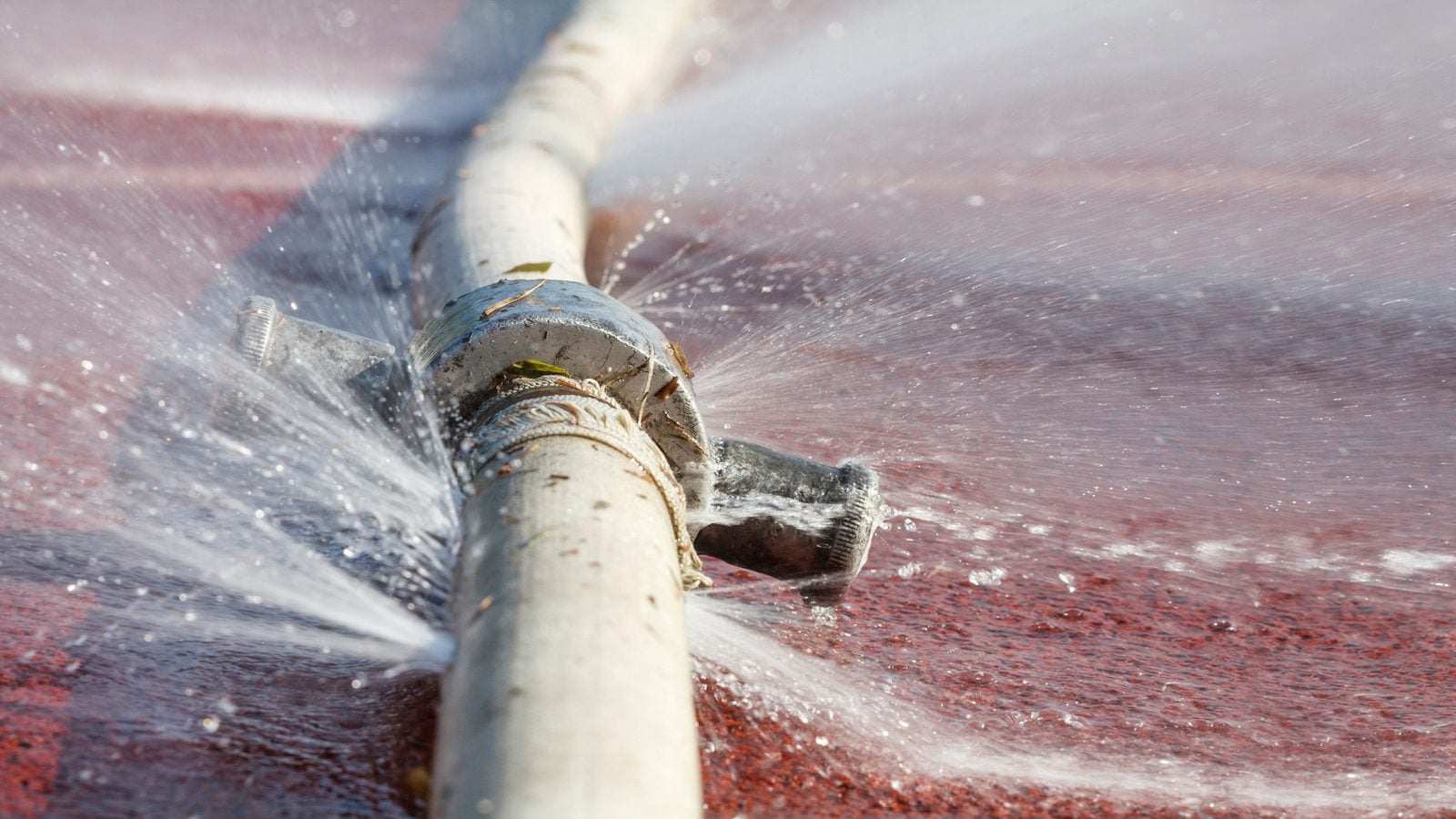
- A water meter that moves while every fixture is off is a strong sign of a leak somewhere on the property.
- Toilets, faucets and irrigation valves are common leaks a homeowner can often find without tools.
- Leaks inside walls, under the slab or along the buried water line usually need professional detection equipment.
- EPA says to dry water-damaged areas and items within 24-48 hours to help prevent mold growth.
- Chandler's 2025 water report lists hardness of 10.1 to 16.8 grains per gallon, and hard water scale builds up in plumbing.
Should I try DIY water leak detection or call a professional in Chandler?
Start with DIY water leak detection in Chandler when the signs are simple, like a higher water bill, a toilet that runs, or a drip you can see. Call a professional when the meter test shows a leak you cannot find, when you see warm spots on the floor, or when walls, ceilings or cabinets are wet.
Here is a simple way to decide:
- Usually DIY: a running toilet, a dripping faucet or showerhead, a wet spot under a sink, a leaking hose bib or a sprinkler valve that weeps.
- Usually a pro: a moving meter with no visible leak, the sound of running water when everything is off, warm or damp floors, cracks with moisture, or a soggy patch of yard along the water line.
If you are unsure, it costs nothing to run the meter test below first. It helps you describe the problem clearly when you call.
How do I do a water meter leak test at home?
Turn off every faucet, shower, appliance and irrigation timer in the house. Then find your water meter, usually in a box near the street, and watch the dial or the small leak indicator for 15 to 30 minutes. If it moves while nothing is running, water is leaking somewhere after the meter.
To narrow it down, close the home's main shut-off valve and check the meter again. If the meter stops, the leak is likely inside the house. If it keeps moving, the leak may be in the line between the meter and the house, or in the irrigation system. Write down what you saw so you can share it with the provider.
What leaks can I usually find on my own?
Many common leaks are easy to spot. A toilet flapper that does not seal, a dripping faucet, a loose supply line under a sink, a leaking water heater drain valve, and a broken sprinkler head are all things a homeowner can usually see or hear without special tools.
- Toilet dye test: put a few drops of food coloring in the tank and wait. Color in the bowl without flushing means the flapper is leaking.
- Under sinks: feel the supply lines and shut-off valves with a dry paper towel.
- Outside: check hose bibs, the softener drain line and drip irrigation for wet spots.
Fixing a toilet flapper is often simple. Work on valves, pipes or fittings is plumbing work, so see toilet and faucet repair if the fix goes beyond a basic part swap.
Need help now? Call to be connected with a local provider in Chandler who can check availability for your address.
When does a hidden leak need professional detection?
A hidden leak needs professional detection when the meter test points to a leak but nothing is visible. Leaks inside walls, under a concrete slab, or along the buried main line can run for weeks before they show. Guessing and opening walls at random can cause more damage than the leak itself.
Warning signs include the sound of running water with everything off, a hot spot on a tile floor, cracked or lifting flooring, musty odors, peeling paint or baseboards that swell. Warm spots may point to a hot water line under the slab. See slab leak repair for more on that type of leak.
What tools do leak detection providers use?
Leak detection providers use tools that help find water without tearing out walls or floors. Common tools include acoustic listening devices that pick up the sound of escaping water, thermal cameras that show temperature changes, moisture meters, and pressure tests that check whether a section of pipe holds pressure.
Some providers also use small cameras for drains or tracer methods for buried lines. Which tools make sense depends on where the leak seems to be. The goal is to pinpoint the spot so any repair opening is as small as possible.
Is it okay to wait on a small leak?
It is okay to wait a short time on a small, visible drip that you can catch or shut off at a fixture valve. It is not a good idea to wait on a leak you cannot see or stop. Hidden water can soak drywall, insulation and flooring, and EPA says wet areas should be dried within 24-48 hours to help prevent mold growth.
If water is spreading and you cannot stop it at a fixture, close the main shut-off valve and call. Then take photos before you clean up.
What happens during the visit?
The provider starts with an inspection. They ask what you noticed, check the meter, look at fixtures and visible pipes, and then use detection tools to narrow down the source. They explain what they found and the repair options in plain words, including whether an opening in a wall, floor or yard is needed.
You should get a written quote before any repair work begins. Ask what the detection covers, what the repair would involve, and whether a permit is needed. Arizona law says it is unlawful to act as a contractor without a license in good standing unless an exemption applies, and the ROC R-37 plumbing classification covers installing and repairing water piping and fixtures. The Arizona Department of Insurance and Financial Institutions (DIFI) also notes that it is your right to get more than one quote.
What should I do about water damage while the leak is found?
Stop the water if you can, take photos, and start drying. DIFI advises taking pictures of the damage before plumbers or restoration contractors arrive, and calling your insurance company or adjuster before calling a contractor. Verify coverage with the adjuster, not the contractor.
Many policies treat sudden damage differently from gradual leaks, so check your policy and document everything. Keep a simple log of dates, times and who worked on the house. Move stored items, pull back wet rugs and run fans while you wait.
Hard water and hidden leaks in Chandler and nearby areas
Water in Chandler is hard, and hard water leaves scale in pipes, water heaters and fixtures over time. The City of Chandler's 2025 Drinking Water Quality Report lists total hardness of 173 to 288 mg/L, or 10.1 to 16.8 grains per gallon. The city's FAQ gives a wider range of 5 to 20 grains per gallon, with an average of 16.5 grains per gallon citywide.
- Where the water comes from: Chandler's Pecos Water Treatment Plant treats water from the Salt River, the Verde River, the Central Arizona Project (Colorado River) and Salt River Project wells. During 2025, 27 wells supplied groundwater from aquifers under Chandler.
- Shared plant with Gilbert: Chandler and Gilbert jointly own the Santan Vista Water Treatment Plant, which treats Colorado River water from the Central Arizona Project.
- Mesa homes: Mesa's 2025 report gives average hardness of about 12 grains per gallon in its City Zone and 16 grains per gallon in its Eastern and Southern Zones.
The same leak checks apply in Ocotillo, Sun Lakes, Gilbert and Mesa. See the page for an emergency plumber in Ocotillo or the full list of service areas.
Related pages
Questions people ask
Is water leak detection in Chandler worth it if my bill went up?
Yes, water leak detection in Chandler is worth it when your bill rises and you cannot find a cause. Run the meter test first, and if the meter moves with everything off, a provider can pinpoint the hidden leak.
How can I tell if I have a hidden water leak in my house?
The clearest sign is a water meter that moves while every fixture is off. Other signs include running water sounds, warm floor spots, musty smells and swelling baseboards.
How long should I watch my water meter to check for a leak?
Watch the meter for 15 to 30 minutes with all water turned off. Any movement in the dial or leak indicator means water is going somewhere.
What does it mean if my meter still moves after I close the main shut-off?
It usually means the leak is outside the house, between the meter and the main shut-off, or in the irrigation system. Check sprinkler valves, then call to have the line checked.
Can a leaking toilet really raise my water bill that much?
Yes, a toilet that runs or leaks silently can waste a lot of water over a month. A food coloring test in the tank shows whether the flapper is leaking into the bowl.
Why is one spot on my tile floor warm to the touch?
A warm spot on the floor can mean a hot water line is leaking under the slab. Turn off the water heater supply if you can and call to have the area checked with detection tools.
Do plumbers have to tear open walls to find a leak?
Not usually at first. Providers use acoustic devices, thermal cameras, moisture meters and pressure tests to narrow down the spot, so any opening is as small as possible.
Can I find a slab leak myself without special equipment?
You can spot the warning signs, like warm floors, cracks with moisture or a moving meter, but pinpointing a slab leak usually takes professional equipment. Guessing can mean breaking up more floor than needed.
Is a small drip under the sink an emergency?
A small drip you can catch in a bowl and stop at the fixture shut-off is not usually an emergency. It becomes urgent if it keeps spreading or soaks the cabinet floor.
What should I do first if I find water coming through a wall or ceiling?
Close the main water shut-off valve, take photos and move belongings away from the wet area. Then call to be connected with a local plumbing provider.
Does hard water in Chandler cause pipe leaks?
Chandler's water is hard, with the 2025 report listing 10.1 to 16.8 grains per gallon, and hard water causes scale in pipes and fixtures. Scale can keep valves from sealing and is one of many factors a provider looks at.
Can a leaking irrigation line make it look like my house has a leak?
Yes. A leaking sprinkler valve or drip line can make the meter move even when the house is dry. Turn off the irrigation timer and test again to rule it out.
Should I call my insurance company before scheduling leak detection?
If there is water damage, DIFI advises taking photos and calling your insurance company or adjuster before calling a contractor. Coverage depends on your policy, so verify it with the adjuster.
How quickly does water damage from a hidden leak need to be dried?
EPA says to dry water-damaged areas and items within 24-48 hours to help prevent mold growth. Start fans and move wet items as soon as the leak is stopped.
Can I get more than one quote for a leak repair in Arizona?
Yes. DIFI notes it is your right to get more than one quote, and you should ask for each one in writing before work starts.
Who can help with leak detection in Gilbert, Mesa or Sun Lakes?
You can call the same number from Chandler, Gilbert, Mesa, Sun Lakes and Ocotillo. You will be connected with a local plumbing provider who can check availability for your address.
Talk to someone about your plumbing problem
Call to be connected with a local provider who can check availability for your address and explain the next step.