How to Replace a Faucet Cartridge in Chandler
Here is how to replace a faucet cartridge in a Chandler home: shut off the water under the sink, open the faucet to drain it, remove the handle and retaining clip, pull the old cartridge, and press in an exact match facing the same way. If it is stuck or still leaks, stop and call.
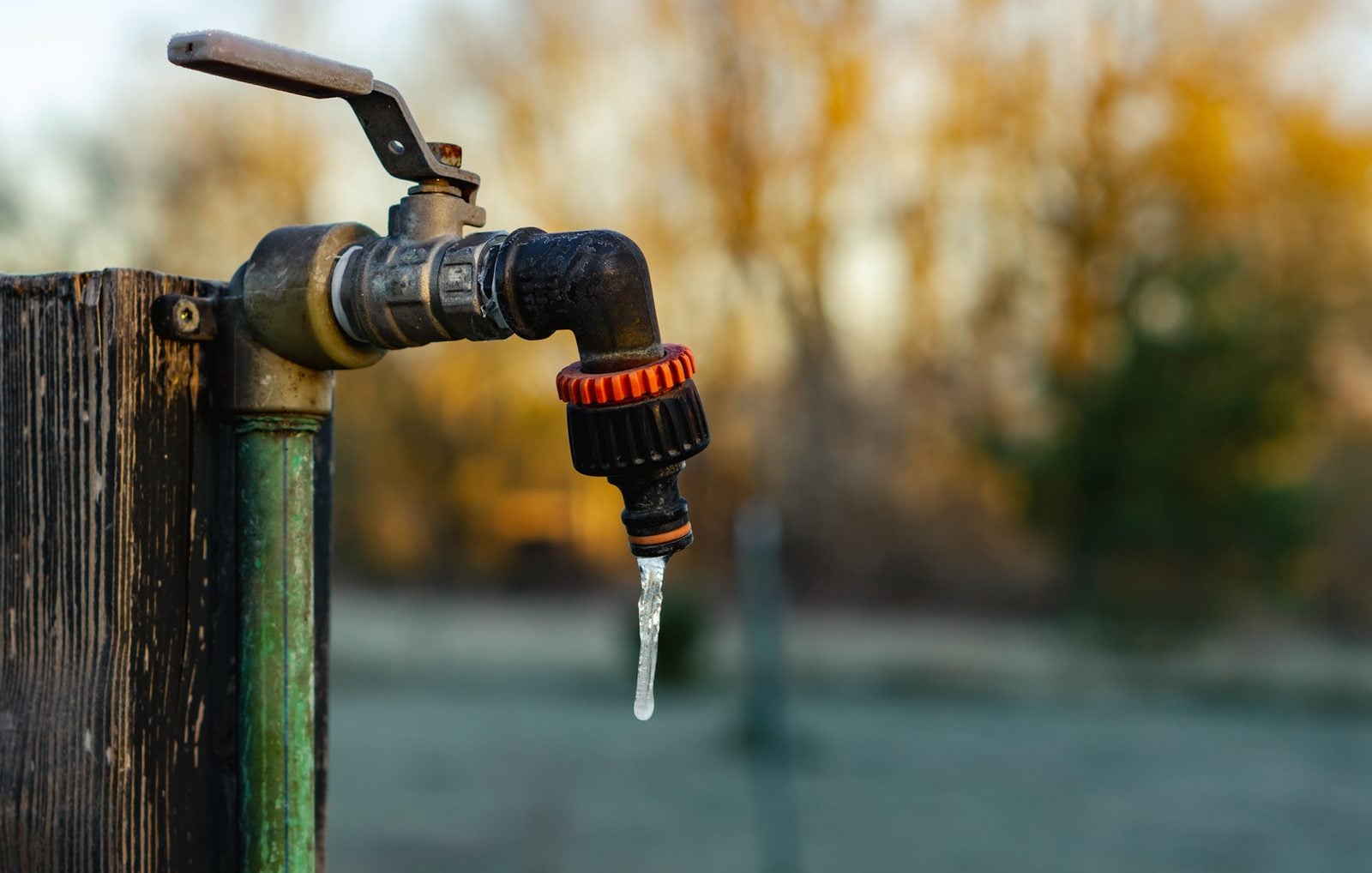
- A faucet cartridge controls flow and temperature in most single-handle faucets, and a worn one often causes a drip from the spout.
- Always shut off the water at the valves under the sink, or at the main, before you remove the handle.
- The replacement must match the brand and model exactly, including length, splines and hot-cold rotation.
- Chandler's 2025 water report lists hardness of 10.1 to 16.8 grains per gallon, and mineral scale is a common reason cartridges stick and drip.
- A cracked body, a leaking base or a discontinued part usually means replacing the whole faucet instead of the cartridge.
How to replace a faucet cartridge in a single-handle faucet
To replace a faucet cartridge in a single-handle faucet, shut off the water under the sink, open the faucet to drain it, remove the handle, take out the retaining clip or nut, pull the old cartridge straight up, and install an exact match in the same direction. Then reassemble and turn the water back on slowly.
- Shut off the water. Close both hot and cold valves under the sink by turning them clockwise. If there are no valves, or they will not close, use the main shut-off for the house.
- Open the faucet. Lift the handle to the middle position to release pressure and let the line drain.
- Remove the handle. Pop off the cap, loosen the set screw with a hex key and lift the handle off.
- Remove the retainer. Unscrew the dome cap or bonnet nut, then pull out the retaining clip or unscrew the retaining nut that holds the cartridge.
- Pull the cartridge. Note which way it faces, then pull it straight up with pliers. If it is stuck, do not force it.
- Install the new cartridge. Wipe out grit and mineral crust, coat the O-rings with silicone plumber's grease, line it up in the same direction as the old one and press it fully into place. Replace the clip or nut.
- Reassemble and test. Put the handle back on, open the shut-off valves slowly, and run water through hot and cold to clear air.
If water comes out of the handle base, the cartridge is not fully seated or the O-rings were pinched. Turn the water off and reseat it before you call.
How do you know the cartridge is the problem?
A worn faucet cartridge usually shows itself as a drip from the spout after the handle is off, a handle that is stiff or loose, or water that will not mix to the right temperature. If the drip comes from under the sink or the base of the faucet instead, the cartridge is probably not the cause.
Common signs that point to the cartridge:
- A steady drip from the spout when the handle is fully closed.
- A handle that grinds, sticks or takes extra force to move.
- Hot and cold that will not blend, or water that runs only hot or only cold.
Signs that point somewhere else: water pooling in the cabinet, a wet supply line, a cracked faucet body, or low pressure at every fixture. Those are better handled through a leak detection check or a full look at the faucet.
What kind of cartridge does your faucet use?
Most single-handle faucets use either a ceramic disc cartridge or a plastic or brass stem cartridge, and the right replacement depends on the faucet brand and model. The surest way to get the right part is to bring the old cartridge with you or match the model number from the faucet paperwork or the brand's parts lookup.
- Ceramic disc cartridges use two hard discs that slide against each other. They often fail from grit or mineral buildup.
- Stem or sleeve cartridges move up and down or turn to control flow. They rely on O-rings and seals that wear out over time.
A part that is close but not exact can leak or reverse the hot and cold sides.
Need help now? Call to be connected with a local provider in Chandler who can check availability for your address.
What should you do if the old cartridge is stuck?
A stuck faucet cartridge is usually held in place by mineral scale, so stop pulling, soak the area with white vinegar for a while, and then try a cartridge puller made for that brand. If it still will not move, call instead of prying, because a cracked valve body often means replacing the whole faucet.
Safe things to try:
- Wrap the top of the valve with a vinegar-soaked rag and let it sit.
- Use a puller, which presses against the faucet body and lifts the cartridge evenly.
Never hammer the stem or pry against the valve body. If the stem snaps off and leaves part of the cartridge inside, leave the water off and call to be connected with a local plumbing provider.
Should you replace the cartridge or the whole faucet?
Replace just the cartridge when the faucet body is solid, the finish is in good shape and the correct part is available. Replace the whole faucet when the body is cracked or corroded, the cartridge is no longer made, the base leaks, or several parts are failing at once.
Cost depends on drivers rather than a single number:
- Part availability: common cartridges are easy to find, while discontinued models may need to be special ordered or may not exist at all.
- Faucet condition: heavy scale, corrosion or a damaged valve body can turn a simple swap into a replacement.
- Access: faucets in tight vanities, wall-mounted tub valves and shower valves take more time than a kitchen sink.
- Shut-off valves: old valves that will not close may need to be replaced before any faucet work can start.
If you have replaced the cartridge before and the faucet keeps dripping, that can be a sign the seat or body is worn. The toilet and faucet repair page covers other faucet problems.
When should you stop and call instead of doing it yourself?
Stop and call if the shut-off valves will not close, the cartridge is stuck or broken, water keeps leaking after a new cartridge is in, or the faucet is a shower or tub valve inside the wall. These problems can turn a small drip into water damage if they are forced.
- Valves that will not shut: do not keep cranking on a frozen valve, which can break the stem and start a leak.
- Shower and tub cartridges: these sit inside the wall, and a mistake can mean opening drywall or tile.
- No hot water at the faucet after the swap: the cartridge may be in backward, or a scald-guard stop may need to be set. If you cannot adjust it, call.
For any active leak you cannot stop, close the main shut-off and call (480) 506-0357 to be connected with a local plumbing provider.
What happens during the visit?
When you call to be connected with a local plumbing provider, the visit starts with an inspection of the faucet, the shut-off valves under the sink and the supply lines. The provider checks whether the cartridge, the seat or the faucet body is the real source of the drip.
Next, they explain what they found and your options, such as a new cartridge, new shut-off valves, a ball and seat kit, or a full faucet replacement. You should get a written quote before any work begins, so you can decide without pressure.
Why faucet cartridges wear out faster in Chandler, Gilbert and Mesa
Hard water is the main reason faucet cartridges in the East Valley stick, drip and stiffen. Minerals in the water leave a white crust on ceramic discs and O-rings, so the parts stop sealing cleanly.
- Chandler: the city's 2025 Drinking Water Quality Report lists total hardness of 173 to 288 mg/L, or 10.1 to 16.8 grains per gallon. The city's FAQ gives a range of 5 to 20 grains per gallon, with an average of 16.5 citywide.
- Gilbert: Chandler and Gilbert jointly own the Santan Vista Water Treatment Plant, which treats Colorado River water from the Central Arizona Project.
- Mesa: Mesa's 2025 Water Quality Report gives average hardness of about 12 grains per gallon in its City Zone and 16 grains per gallon in its Eastern and Southern Zones. Mesa recommends setting a water softener at 16 grains per gallon and adjusting from there.
- Around the Valley: the City of Phoenix says hard water can cause scaling on plumbing fixtures such as faucets and showerheads.
A faucet in Chandler or Sun Lakes may need a cartridge sooner than the same faucet in a soft-water area. Outside Chandler, see the pages for an emergency plumber in Gilbert or an emergency plumber in Mesa. Providers in the network also cover Ocotillo, Queen Creek and Tempe.
Related pages
Questions people ask
How do I replace a faucet cartridge if I have never done any plumbing?
Start by shutting off the water under the sink, then follow the faucet maker's instructions for your model. Take photos at each step, keep the parts in order on a towel, and bring the old cartridge to the store so the new one matches exactly.
How do I replace a faucet cartridge in a single handle kitchen faucet?
Shut off the water, remove the handle and the dome cap, pull the retaining clip, lift the old cartridge out and press the new one in facing the same way. Reassemble and turn the water on slowly to check for leaks.
How do I know if my faucet cartridge is bad?
A bad faucet cartridge usually causes a drip from the spout, a stiff or loose handle, or trouble mixing hot and cold. If the leak is under the sink instead, check the supply lines first.
Can I replace a faucet cartridge without turning off the main water?
Yes, if the shut-off valves under the sink close fully. If they do not close or there are no valves, turn off the main shut-off for the house before you start.
Why is my faucet still dripping after I replaced the cartridge?
The new cartridge may not be fully seated, may be the wrong model, or the faucet seat or body may be worn. Recheck the fit and the O-rings, and call if the drip continues.
Why is my hot and cold reversed after replacing the cartridge?
The cartridge was most likely installed rotated the wrong way. Shut off the water, remove the handle and turn the cartridge so its marks or tabs match the original position.
How do I find the right replacement cartridge for my faucet?
Bring the old cartridge to a hardware or plumbing supply store, or look up the faucet model number on the maker's parts page. Match the length, the splines at the top and the hot-cold rotation.
Is it better to replace the cartridge or the whole faucet?
Replace the cartridge when the faucet body is in good shape and the part is available. Replace the whole faucet when the body is cracked, the base leaks or the part is discontinued.
What affects the cost to replace a faucet cartridge?
The main cost drivers are the cartridge model, whether it is stuck, how easy the faucet is to reach and whether the shut-off valves also need work. A written quote should spell these out before any work starts.
How long does a faucet cartridge last with hard water in Chandler?
There is no set lifespan, but hard water makes cartridges wear sooner because minerals build up on the seals. Chandler's 2025 water report lists hardness of 10.1 to 16.8 grains per gallon.
Should I use plumber's grease on a new faucet cartridge?
Yes, a thin coat of silicone plumber's grease on the O-rings helps the cartridge slide in and seal. Avoid petroleum jelly, which can damage some rubber seals.
How do I replace a shower faucet cartridge myself?
Shut off the water to the shower or the whole house, remove the handle and trim, pull the retaining clip and swap the cartridge. Because the valve sits in the wall, call if the cartridge is stuck or the valve looks corroded.
What should I do if the shut-off valve under my sink will not close?
Stop turning it and use the main shut-off for the house instead. Forcing an old valve can break the stem and start a new leak, so call if it will not close.
When should I call a plumber to replace a faucet cartridge?
Call when the cartridge is stuck or broken, the shut-off valves will not close, it is a shower or tub valve, or the faucet still leaks after a new cartridge. Call (480) 506-0357 to be connected with a local provider.
Can you help with replacing a faucet cartridge in Gilbert, Mesa or Sun Lakes?
Yes. Call (480) 506-0357 to be connected with a local plumbing provider who serves Chandler, Gilbert, Mesa, Sun Lakes and nearby areas.
Talk to someone about your plumbing problem
Call to be connected with a local provider who can check availability for your address and explain the next step.